


Checkers
The same board with one kind of piece. Forced captures make it far more tactical than it looks.
Strategy with Orion
Orion walks you through a balanced opening, a knight fork, and a pawn endgame. Try spotting the move on each board before you read the caption, then follow the links for a full page on each part of the game.

Chess began in India around the sixth century as chaturanga, a game whose pieces stood for the divisions of an army. It reached Europe by way of Persia and the Arab world, and took its modern form in the late 15th century, when the queen was given her sweeping move.
The full story, from the first boards to world champions and computers, is on the history of chess page.
The first 10 moves have three jobs. Put a pawn or two in the center, bring your knights and bishops off the back row, and castle so your king is tucked behind pawns with a rook ready to join the game. A player who does all three usually comes out of the opening comfortable, whatever the exact moves were.
For the reasoning behind each principle, the best-known named openings and the early traps, read Chess Openings.
In casual chess, games are rarely won by deep plans. They are won when one player leaves a piece undefended or misses a two-move trick such as a fork, a pin or a skewer. Before every move, check what your opponent’s last move attacks, and check whether the move you want leaves anything hanging.
Each pattern has its own diagram on the Chess Tactics page, along with a routine for spotting them.
A rough scale helps with trades: pawn 1, knight 3, bishop 3, rook 5, queen 9. Trading a knight for a rook is winning material; trading a queen for a rook is losing it.
When there is no tactic on the board, a simple plan works well: find your least useful piece and give it a better square. A bishop stuck behind its own pawns, a rook still in the corner, or a knight on the edge of the board are all candidates. Rooks belong on open files, the columns with no pawns on them.
When you are ahead in material, trade pieces, not pawns. Every trade makes your extra material count for more. When you are behind, keep pieces on the board and look for chances to attack.
As pieces come off the board, the king can often move toward the center and help. Support your passed pawns, which have no enemy pawn in front of them on their own or neighboring files. A pawn that reaches the last rank can promote to a queen.
The basic checkmates, the opposition, rook endings and how to avoid stalemate are covered on the Chess Endgames page.
You can start a game on the Chess page without an account. Play against one of eight bots, from Altair at level 1 to Orion at level 8. The lowest levels move at random, the middle levels grab material whenever they can, and the top two look a few moves ahead. Climbing the ladder is a good way to practice the tactics above.
To play a person, pick an online match, or sign in and open a private room to send a friend a code. Games can be untimed, or played with a clock: a quick three minutes with a two-second bonus per move, or five or ten minutes each. The board shows legal moves for the selected piece, and your recent results are listed on the game’s stats page. If a chess word is new to you, look it up in the chess glossary.
Keep playing
The same board with one kind of piece. Forced captures make it far more tactical than it looks.
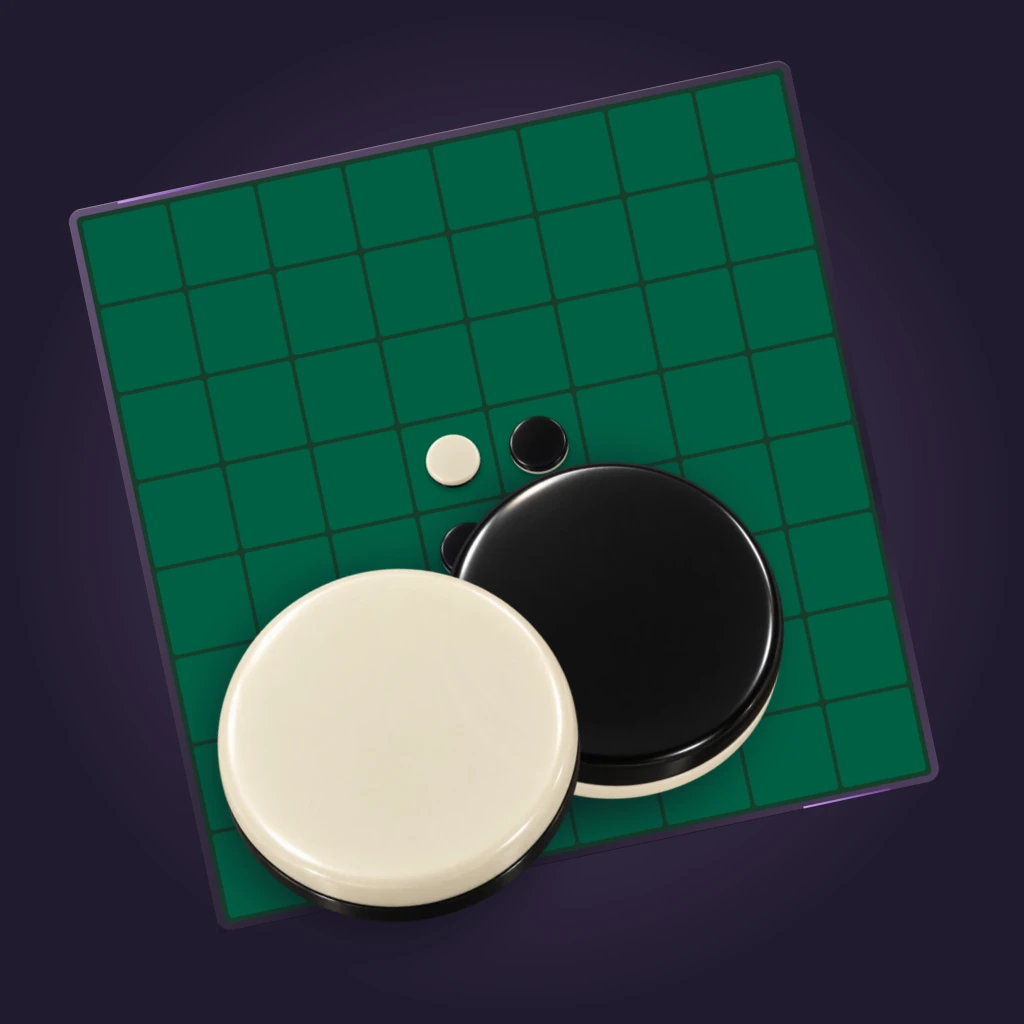
Another 8×8 game where position beats material: the player with fewer discs in the middle game often wins.
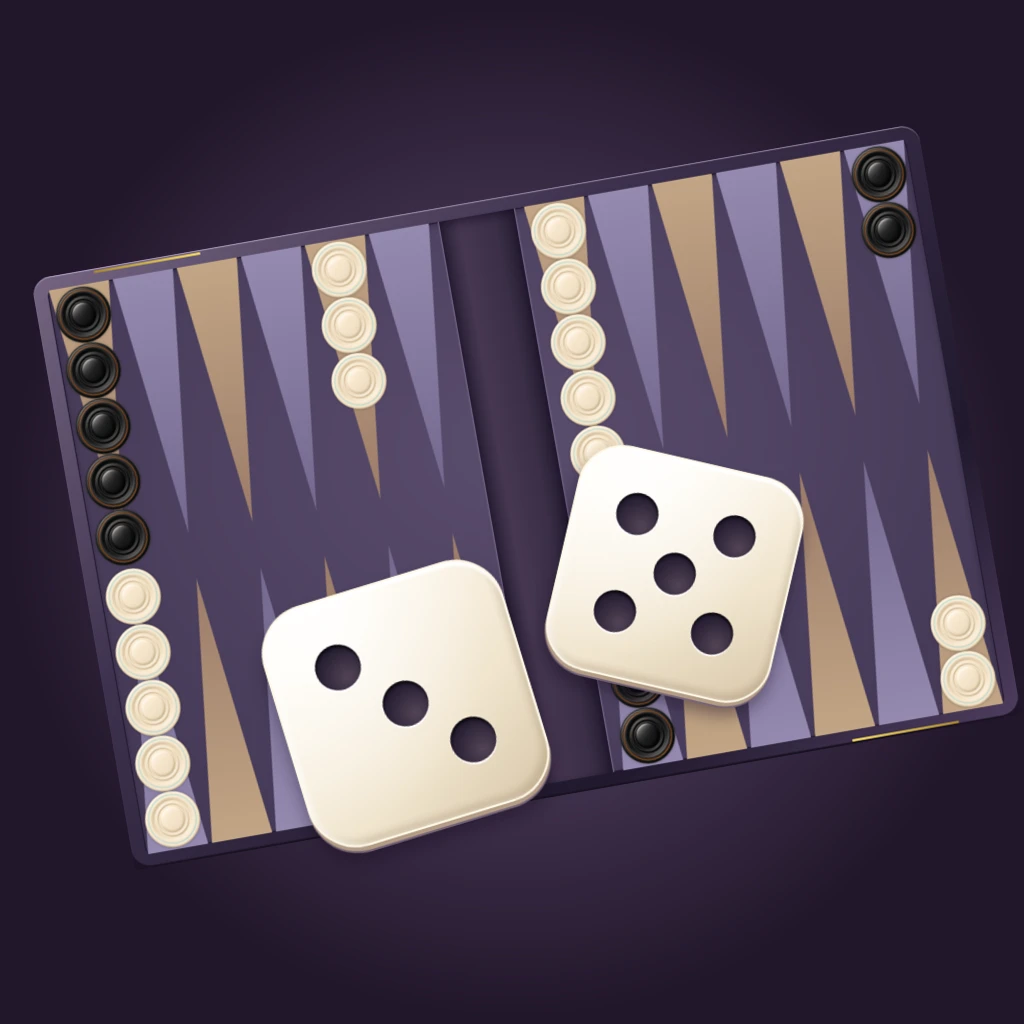
Strategy with dice. Planning still matters, but every roll changes the plan.